Underpinning is a building method that strengthens foundations by deepening them or spreading weight over a larger area. This technique is often needed due to soil problems or changes in the structure.
Underpinning Foundation Repairs in Auckland
Schedule your free evaluation today!
When we say free, we mean FREE. No hidden fees and absolutely no pushy sales tactics. We will contact you within 24 hours!
Why Underpinning is Critical for Your Property
Foundation Inspection:
Our team will carry out a thorough inspection of your existing foundation to identify the root cause of the problem, such as soil conditions or foundation damage.
Cracking and Foundation Damage:
Cracks in walls, floors, or around the foundation may signal the need for underpinning. Left unchecked, these can worsen, leading to costly damage. Underpinning footings can help prevent further cracking and maintain the structural integrity of the building. In some cases, visible cracking may also require concrete crack repair alongside structural underpinning work.
Structural Modifications:
Adding additional floors or expanding the footprint of your home may increase the load on the foundation. Underpinning ensures the foundation can support the additional weight, preventing long-term issues. Where structural movement has already occurred, house releveling may be required after underpinning to restore even floors and alignment.
How Underpinning Works: The Process Explained
Foundation settlement:
Foundation settlement is often caused by foundation subsidence, where the ground beneath the structure sinks or shifts over time. This can cause cracks in walls, floors, or the foundation itself.
Shoring and Temporary Support:
Temporary support systems (shoring) are installed to ensure the stability of the building while underpinning is underway. This ensures that no damage occurs to the structure during repairs.
Excavation and Reinforcement:
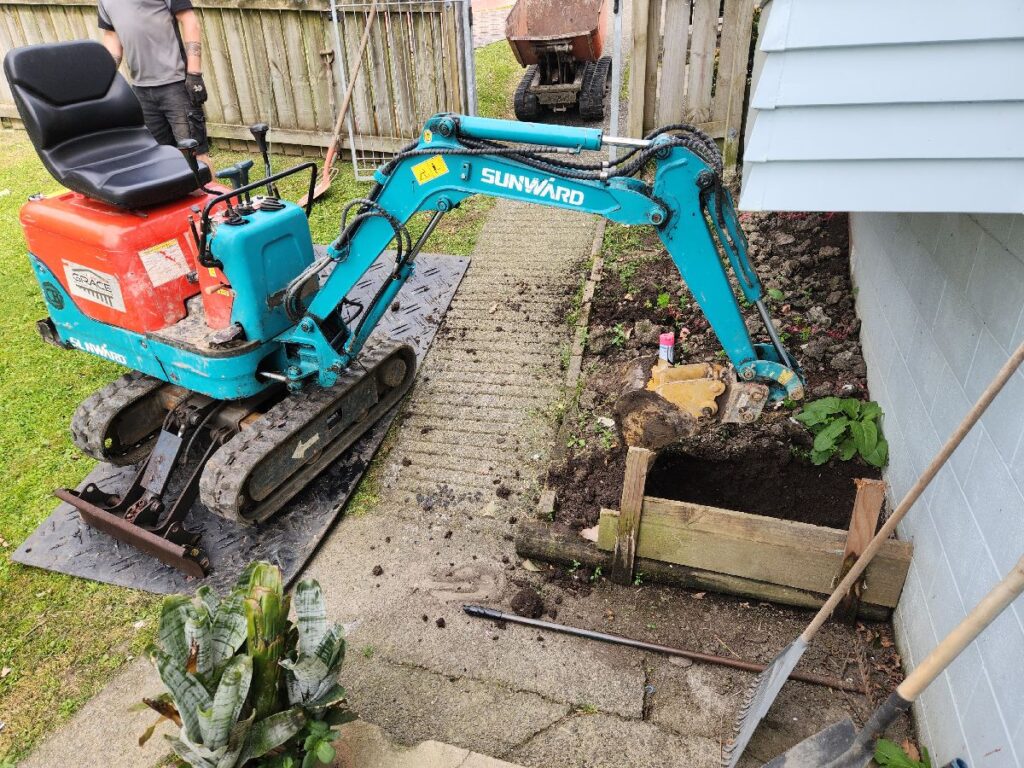
We excavate sections around the foundation and install reinforced concrete, steel piles, or underpinning footings to extend the depth of the foundation. Each stage is carefully executed to ensure minimal disruption. Depending on the structure, this stage may involve reinforced concrete, steel piles, or house repiling to extend the depth of the foundation.
Final Inspection and Testing:
Once the underpinning is complete, our experts conduct a detailed inspection and test the stability of the foundation to confirm that all repairs have been successfully made. This final inspection forms part of our structured project management process, ensuring all underpinning work meets safety and compliance standards.
Are you ready to learn more about what’s happening with your property’s foundations?
The Cost of Underpinning a House
The cost of underpinning a house varies depending on several factors, including the extent of the foundation issues, the size of the property, and the underpinning technique used. While underpinning is a significant investment, it’s important to view it as a long-term solution that can prevent more costly repairs in the future. If you’re concerned about costs, we offer a free, no-obligation foundation evaluation to help you understand the best course of action for your property.
Frequently Asked Questions About Underpinning
Underpinning is the process of reinforcing and stabilizing the foundation of an existing building, often by deepening it or spreading the load over a larger area. It’s necessary when the foundation is compromised due to shifting soil, settlement, structural damage, or changes in the building load.
Underpinning footings are additional supports that extend the depth of the foundation to more stable soil or reinforce weak sections of the structure. These footings distribute the load more effectively and prevent further settlement or damage.
The underpinning process typically involves the following steps:
- Initial inspection and assessment of the foundation’s current condition.
- Installation of shoring or temporary supports.
- Excavation around the foundation and installation of new concrete or steel piles (or footings).
Final inspection to ensure stability.
Shoring and underpinning are two essential techniques used together during foundation repair. Shoring provides temporary support to the building while underpinning is underway. This ensures the stability of the structure while the foundation is being reinforced.
The cost of underpinning a house depends on the size of the property, the condition of the existing foundation, and the chosen underpinning method. A detailed evaluation will provide an accurate estimate, and we offer free consultations to help you plan accordingly.
- Traditional Underpinning: Reinforcing the foundation by excavating and extending its depth.
- Piled Underpinning: Installing piles deep into the ground to support the foundation.
- Hydraulic Underpinning: Used to lift and stabilize a building using hydraulic jacks.
- Shoring and Underpinning: Combining temporary supports (shoring) with permanent underpinning solutions for added security.
The duration of underpinning depends on the scope of the project. On average, underpinning can take anywhere from a few days to several weeks, depending on the size of the building and the method used. We will provide you with a timeline and keep you informed throughout the process.
Yes, in most cases, you can stay in your house while underpinning is being carried out. The process is typically done in stages to minimize disruption. Temporary supports (shoring) will be installed to ensure your safety throughout the project.