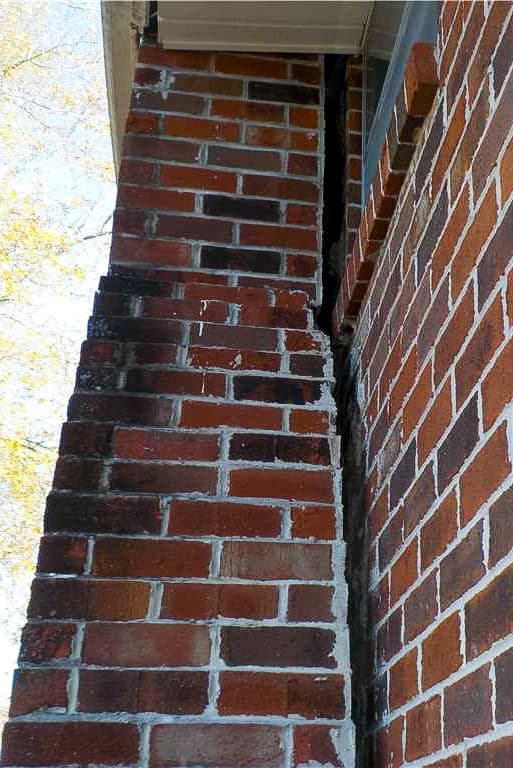
One common cause of brickwork damage is moisture infiltration, which can deteriorate mortar joints, causing them to crumble or weaken. Inadequate waterproofing measures, such as the absence of damp-proof courses or improper installation of flashing, can facilitate this moisture intrusion. Moreover, freeze-thaw cycles can worsen the damage as the water expands and contracts within the bricks, resulting in cracking and spalling.
Another factor contributing to brickwork damage is poor construction practices. Insufficient structural support, improper bricklaying techniques, or the use of low-quality materials can weaken brickwork. Additionally, environmental factors like subsidence, earthquakes, vibrations from nearby construction, and natural disasters such as storms and hurricanes can cause significant harm to brick structures.
Grace employs various repair methods to address these issues and restore damaged brickwork. Repointing, or tuckpointing, is a prevalent technique for repairing mortar joints. It involves removing deteriorated mortar and replacing it with properly mixed mortar to establish a strong bond with the existing bricks.
In cases of severe damage, brick replacement may be necessary. This meticulous process entails removing damaged bricks and replacing them with new ones that closely match the original in terms of size, colour, and texture. It is crucial to ensure material compatibility to maintain the repaired brickwork’s structural integrity and visual harmony.
In situations involving extensive damage, brick reinforcement techniques come into play. Steel or carbon fibre-reinforced materials can strengthen weakened areas or provide additional support to prevent further deterioration. These reinforcements can be applied externally or integrated within the brickwork during repairs.