Protect your concrete from moisture, cracking, and long-term damage. We’re here to help you extend the life of your property with professional-grade solutions.
Concrete Coating & Protection Experts
Schedule your free evaluation today!
When we say free, we mean FREE. No hidden fees and absolutely no pushy sales tactics. We will contact you within 24 hours!
Specialist Protection for Your Concrete
A concrete protective coating is a specialised layer applied to surfaces to block water and harmful chemicals. It’s a vital step for any property owner who wants to avoid expensive structural repairs later.
- What it is: A durable barrier that seals the concrete surface.
- Why it matters: It stops water from soaking into the material and causing internal rot.
- Who needs it: Any homeowner with a driveway, patio, or foundation showing signs of wear.
- The Grace difference: We focus on the health of your entire foundation to ensure the coating works perfectly with your specific soil type.
What is Concrete Protective Coating?
Concrete protective coating acts as a tough shield for your building. It’s a liquid or resin based material that bonds to the surface. This layer stops rain, salt, and oils from sinking into the porous concrete.
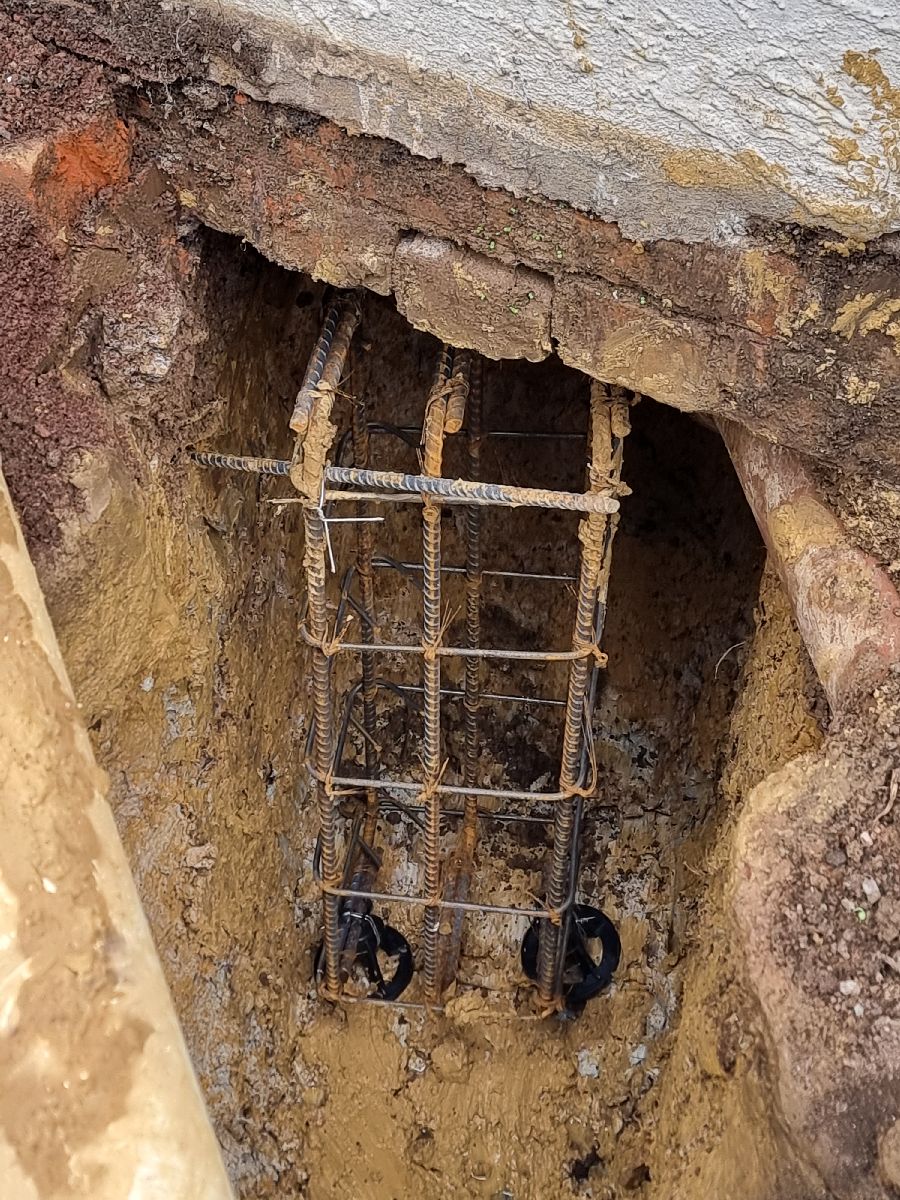
It does more than just sit on top. A good coating penetrates the surface to create a deep seal. This keeps the internal steel reinforcement from rusting and prevents the surface from crumbling. It’s the best way to keep your concrete looking new and staying strong.
Why Your Concrete Needs Protection
New Zealand weather puts constant stress on your foundations. High rainfall and humidity levels mean your concrete is often damp. Untreated concrete acts like a sponge. It soaks up water which then expands and contracts.
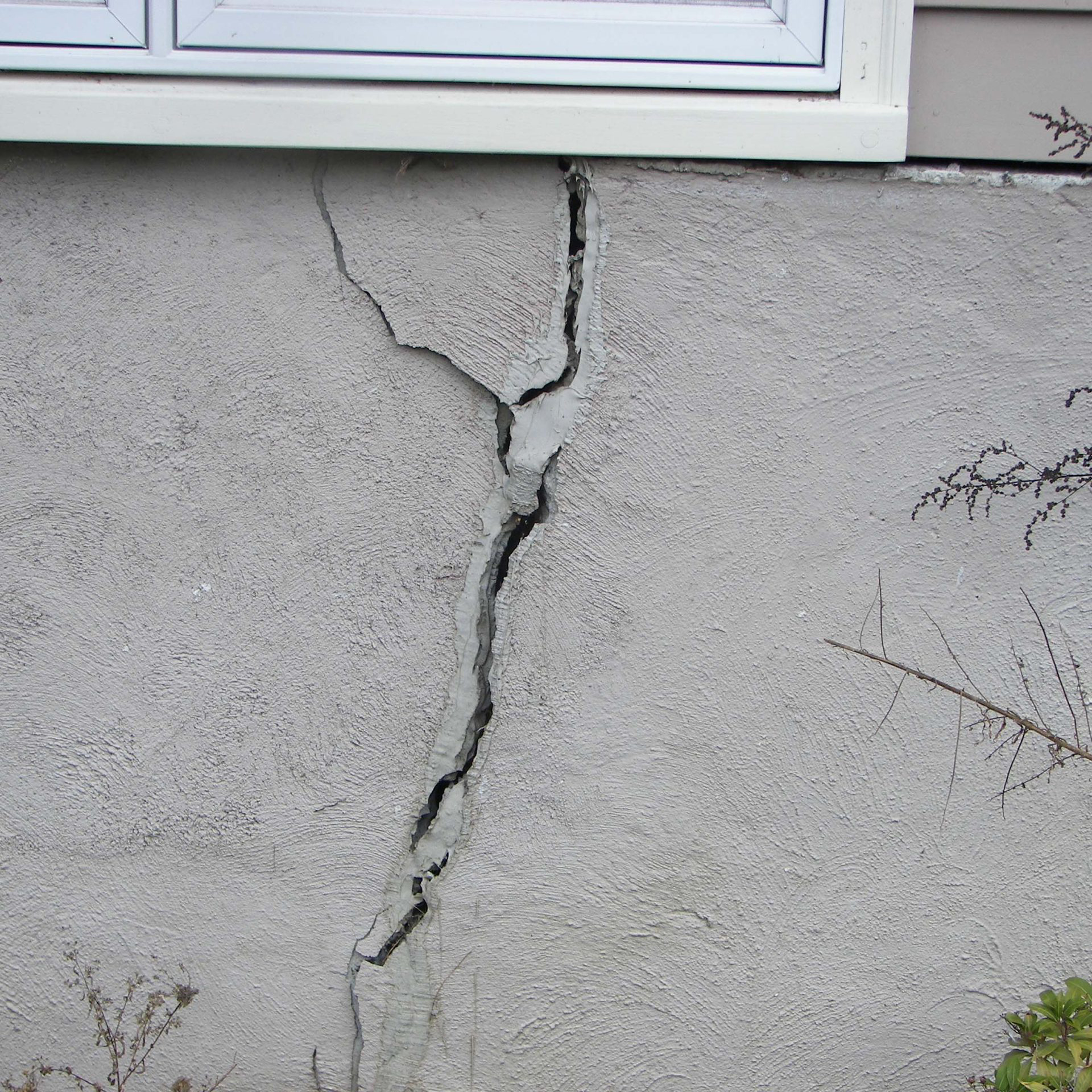
This cycle leads to internal pressure and cracking. Plus, moisture can seep through the slab and affect the ground underneath. When the soil becomes too wet, it can shift. This movement causes your foundations to sink or tilt. Protecting the surface is the first line of defence against foundation failure.
Signs Your Concrete Needs Coating
You can usually tell when your concrete is struggling by looking for a few key signs.
- Surface flaking: If the top layer is peeling off, the concrete is losing its strength.
- Damp patches: Dark spots that stay wet long after the rain stops suggest the concrete is soaking up water.
- White powder: This is called efflorescence. It happens when salt and minerals are pushed out of the concrete by moisture.
- Growing cracks: Small spiderweb cracks often grow into deep gaps if they aren’t sealed.
- Mould growth: Green or black patches mean moisture is trapped on or inside the surface.
Our Professional Coating Process
We follow a strict process to ensure your coating lasts for years. Doing it right requires more than just a brush and a bucket.
- Inspection: We check the concrete for depth of damage and moisture levels.
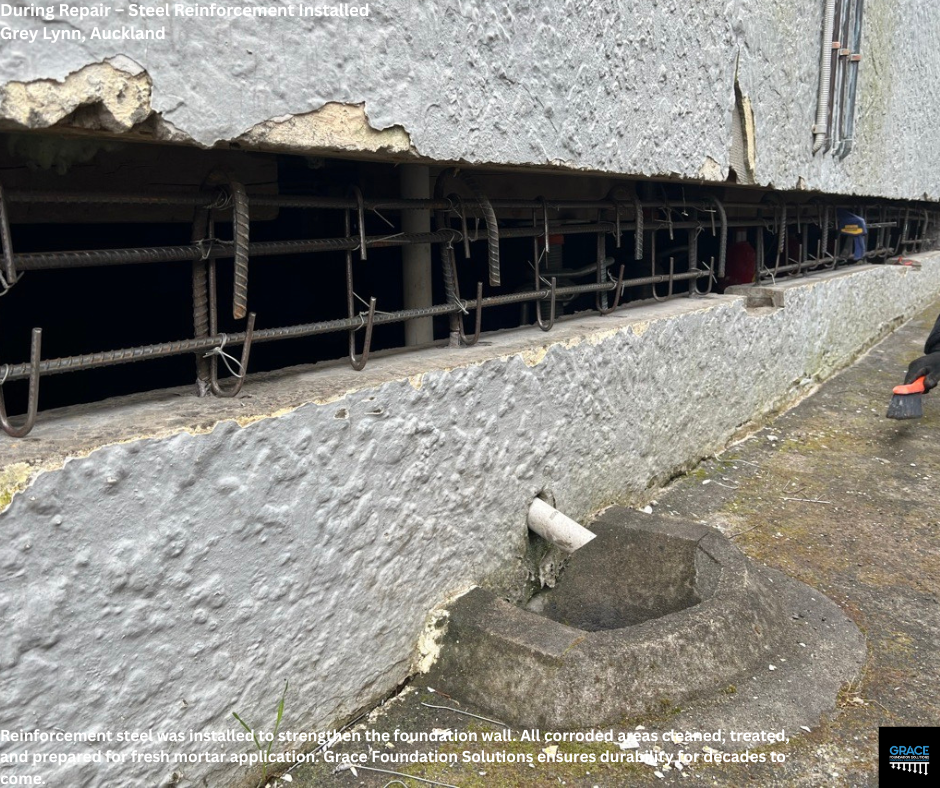
- Surface Prep: We clean the area thoroughly to remove dirt and old grease.
- Repair: We fill and treat any existing cracks so the surface is smooth.
- Application: We apply the chosen coating evenly across the entire area.
- Final Seal: We add a top layer to ensure the finish is durable and looks great.
Our Professional Coating Process
We follow a strict process to ensure your coating lasts for years. Doing it right requires more than just a brush and a bucket.
- Inspection: We check the concrete for depth of damage and moisture levels.
- Surface Prep: We clean the area thoroughly to remove dirt and old grease.
- Repair: We fill and treat any existing cracks so the surface is smooth.
- Application: We apply the chosen coating evenly across the entire area.
- Final Seal: We add a top layer to ensure the finish is durable and looks great.
Are you ready to learn more about what’s happening with your property’s foundations?
Frequently Asked Questions
Most high quality coatings last between five and ten years depending on the foot traffic and weather exposure.
Yes. Our specialised waterproof coatings create a total barrier against liquid.
It can seal small surface cracks. If you have large structural cracks, we’ll need to perform foundation repairs before applying the coating.
Your property will often show signs of soil failure before the foundation completely gives way. Watch for these red flags:
- Sinking or “spongy” lawn: Soft spots near the house perimeter can indicate underground voids or water-saturated soil.
- Cracked external concrete: If your paths or driveways are slumping or pulling away from the main structure, the subgrade is likely failing.
- Uneven floor levels: Floors that feel “sloped” or that have gaps between the floor and the skirting board are clear indicators of ground settlement.
- Recurring plaster cracks: If you have repaired wall cracks only for them to return in the same spot, the underlying soil is likely still moving.
It’s best to apply it during a dry spell. The concrete needs to be completely dry for the coating to bond correctly.
Costs vary based on the size of the area and the type of product used. We provide a free assessment to give you an accurate quote.
Investing in a protective coating saves you money and stress. It prevents water damage before it reaches your structural beams. You’ll notice that the concrete becomes much easier to clean because dirt cannot penetrate its pores.
Also, it improves the surface’s durability against heavy vehicles and foot traffic. Your home will maintain its value because the foundations remain stable. It’s a simple maintenance task that prevents a massive repair bill in the future.